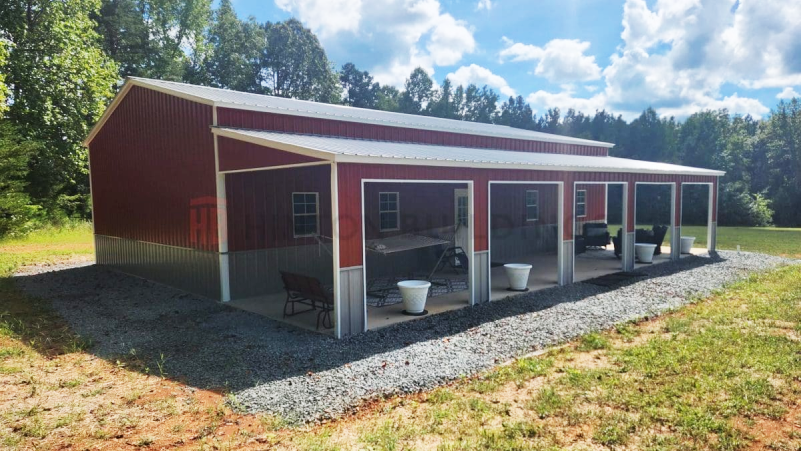
A storage unit alternative works best when it matches what you store and how long you need the space. Compare renting storage with buying a portable building using your actual costs, property restrictions and delivery access.
You started the storage unit because you needed room now. Boxes, seasonal gear, remodel leftovers. Paying monthly felt easier than a bigger decision.
Then a year passed. You are still driving across town, unlocking a hallway that is not yours, rearranging leftover space.
Hinton Buildings guides people ready to trade rented square feet for a durable building on their own property — wooden Old Hickory structures and tubular metal options you can see at our NC lots.
Key takeaways
- Add up 12–24 months of storage rent before you call ownership expensive.
- Owning puts access on your schedule — no facility hours or drive.
- Wood and metal portable buildings serve different looks and use cases.
- Walk inventory at Princeton, Dunn, or La Grange before you decide.
Who wrote this guide
This guide is maintained by the Hinton Buildings team in Eastern North Carolina — an authorized Old Hickory dealer helping customers choose wooden buildings, tubular metal buildings, Carolina Play Sets, FlatBox flat-pack containers, and portable decks from lots in Princeton, Dunn, and La Grange. We position on quality and the right fit, not the cheapest quote.
Storage unit vs owning a building
| Rented storage unit | Building on your property | |
|---|---|---|
| Monthly cost | Ongoing forever | Payment path ends; asset stays |
| Access | Facility hours + drive | Whenever you need it |
| Control | Shared facility rules | Your pad, your lock, your layout |
| Resale / move | Zero asset | Portable options can move with you in many cases |
Reality check
Ownership is not free. It is often smarter once rent has already paid for someone else’s building several times over.

Which building style fits a storage-unit escape
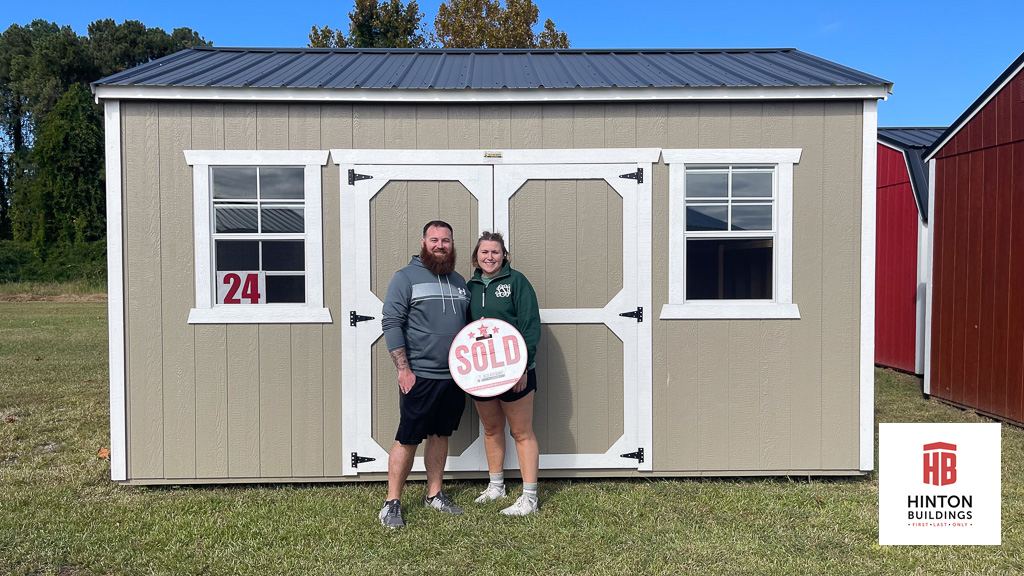
- Portable wood (Old Hickory): classic shed, lofted barn, and garage looks — great for yards that want a finished appearance.
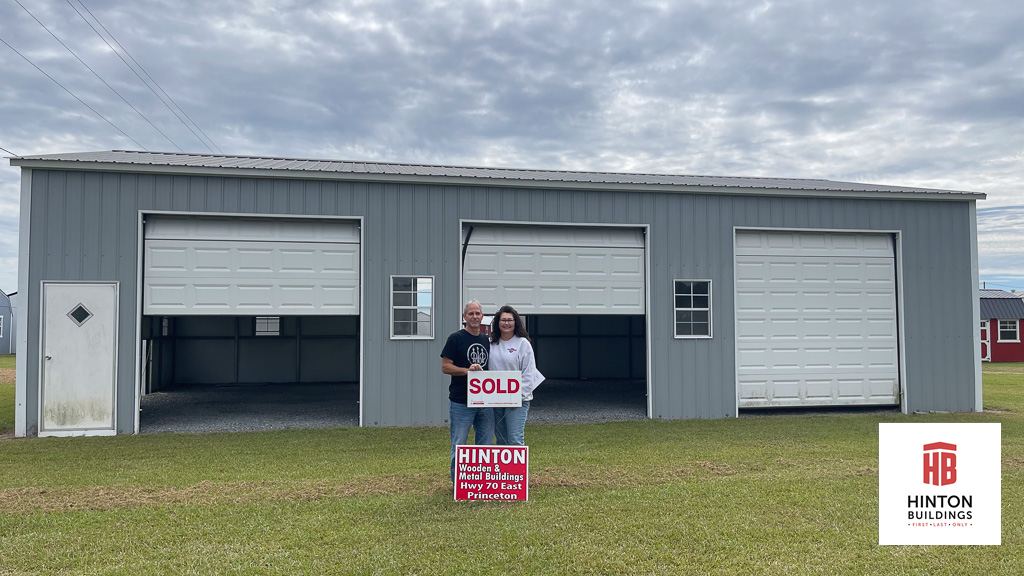
- Tubular metal: wider clear spans for vehicles, equipment, and workshop energy.
- FlatBox flat-pack containers: national drop-ship when you need enclosed portable space fast — see flatbox.hintonbuildings.com.
How do you compare storage rent to owning a building without invented “average” prices?
Use a simple framework with your numbers — we will not invent a typical payment that does not match your quote:
- Write down your current monthly storage rent and months you have already paid.
- Add fuel and time for trips to the facility.
- Ask Hinton for a payment path on a building that fits what you store — then compare total rent over 12–24 months to that path.
- Remember: rent never becomes an asset; a building on your property can.
Example framework only
If a unit costs $150/month, that is $1,800 per year before driving. Over two years that is $3,600 in rent with nothing owned. Your building quote may start higher monthly — the point is ownership and access, not racing the lowest online teaser.
Also compare wood portable buildings, tubular metal, and nationwide FlatBox options at flatbox.hintonbuildings.com when you need enclosed portable space without a lot delivery.
How do rent-to-own and financing paths change the storage math?
Owning does not always mean cash-up-front. HFS and SoFi financing apply to all building types; confirm current eligibility and terms. Manufacturer rent-to-own applies to wooden buildings, decks, and coops only, and rent-to-own sheds are required to be set on concrete blocks. Confirm current details at hintonbuildings.com/financing and on the lot.
- Rent: endless monthly cost, no asset, facility hours.
- Financing a building: payments toward something on your property.
- Rent-to-own (wooden buildings, decks, and coops; never metal): ask what ownership looks like at the end of the term for your specific building, and plan on a concrete-block set.
Still use your real storage rent × 12–24 months as the baseline. Then ask for a quote on a building that fits what you store. The win is access and ownership — not chasing a teaser online price.
StoryBrand reminder
Out of space? We help you find the right building so you can finally have a space of your own — quality first.
When is renting storage still the better choice?
Renting can make sense during a short move, when your property cannot accept a building, or when possessions require a controlled environment that a basic storage building does not provide. Buying is not automatically cheaper or more suitable for every household.
Inventory belongings before comparing portable buildings for sale. Measure the largest items, group boxes by how often you need them, and reserve an aisle to reach the back without unloading everything. Compare usable floor area and door clearance rather than a storage unit label alone.
For a fair comparison, choose the same future time period for both options. Rental cost includes rent, required fees and travel. Ownership includes the delivered building, site preparation, any permits, borrowing costs, insurance and maintenance. Past rent is already spent: do not count it as a future saving. Ask separately about climate and moisture needs for documents, fabrics and electronics.
How do I compare storage costs without assuming a resale value?
Add up future rental costs over your chosen period, then compare them with the complete ownership cost over that same period. Treat any eventual resale value as uncertain rather than guaranteed savings.
Frequently asked questions
Is buying a building always cheaper than renting storage?
Not on day one. Add 12–24 months of storage rent plus fuel and time, then compare to a building payment that ends while the building stays yours.
How should I compare costs without invented averages?
Use your rent and a real Hinton quote. Example framework only: $150/month storage is $1,800/year before driving — $3,600 over two years with nothing owned. Your building path will differ; the point is ownership and access.
Can portable buildings move if I relocate?
Many portable wood buildings are designed to be relocatable. Confirm logistics for your specific model with our team.
Where do I start?
Visit our locations with a rough list of what you store and how you will access it.
Related guides from Hinton Buildings
- Discuss options at a Hinton location
- FlatBox containers — nationwide flat-pack option
- Metal building options
- Our locations — walk inventory in person
Ready for the next step?
Bring your measurements, site photos, delivery address and intended use to a Hinton Buildings location. Ask for a written scope, current availability and the requirements for your specific project.