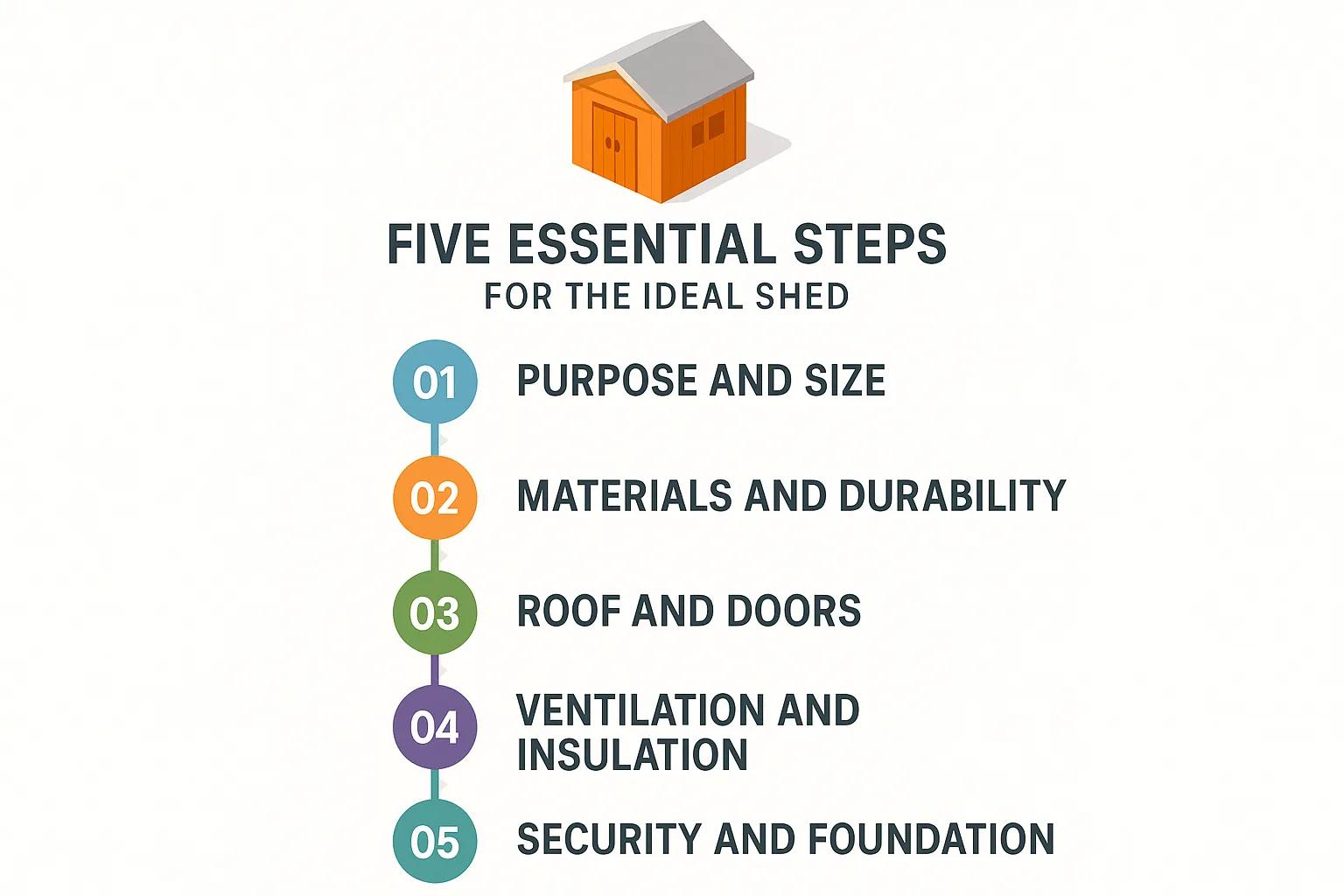
5 Essential Tips for Choosing the Perfect Storage Shed Near You: A Complete Shed Buying Guide
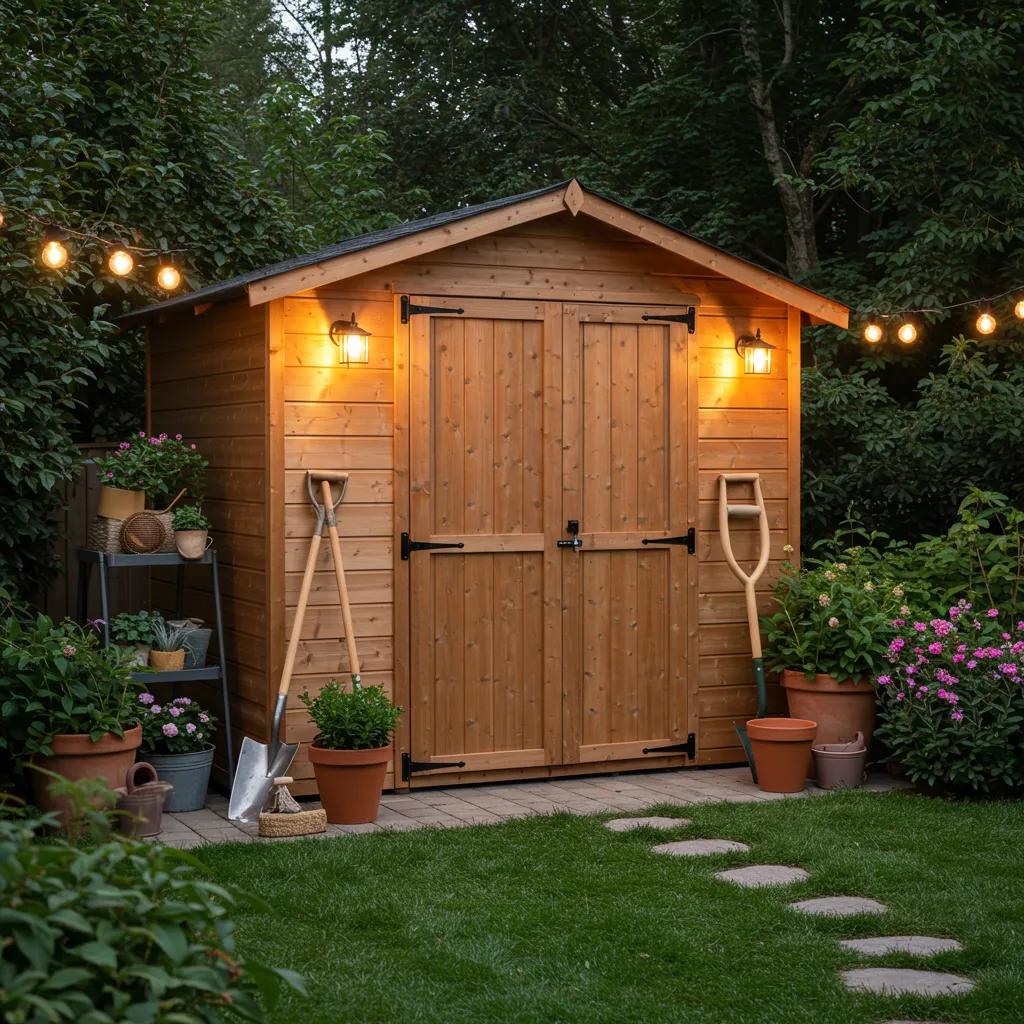
Choosing the right storage shed near you transforms a cluttered backyard into an organized, functional space while protecting valuables from weather and theft. This guide delivers actionable insights on purpose and size, material selection, roof/door/window styles, ventilation and climate control, security and warranty considerations, foundation choices, and emerging design trends. Whether you’re searching for , “sheds near me for sale,” or “sheds for sale near me,” you’ll discover how to match local options to your needs, budget, and site requirements. Read on to explore each tip in depth and start planning your ideal shed.
Defining your shed’s purpose and size ensures you invest in a structure that fits your needs, maximizes usable space, and complies with site constraints. By clarifying whether you need basic garden storage, a hobby workshop, or a backyard office, you can select dimensions that balance functionality and aesthetics. For example, an 8×10 tool shed keeps lawn equipment organized, while a 12×16 workshop accommodates workbenches and power tools. Understanding these factors leads directly into material choices that match your intended use.
Storage sheds serve multiple functions, from protecting seasonal equipment to providing dedicated hobby spaces.
The right shed size balances your inventory with available real estate. Consider common dimensions in the table below:
Selecting a size that aligns with both your storage goals and yard dimensions prevents overcrowding and ensures ease of access, which leads into checking local .
Before purchasing, verify zoning rules, setback requirements, and permit thresholds to avoid fines or forced removal.
Navigating these legal steps ensures smooth installation and lays the groundwork for .
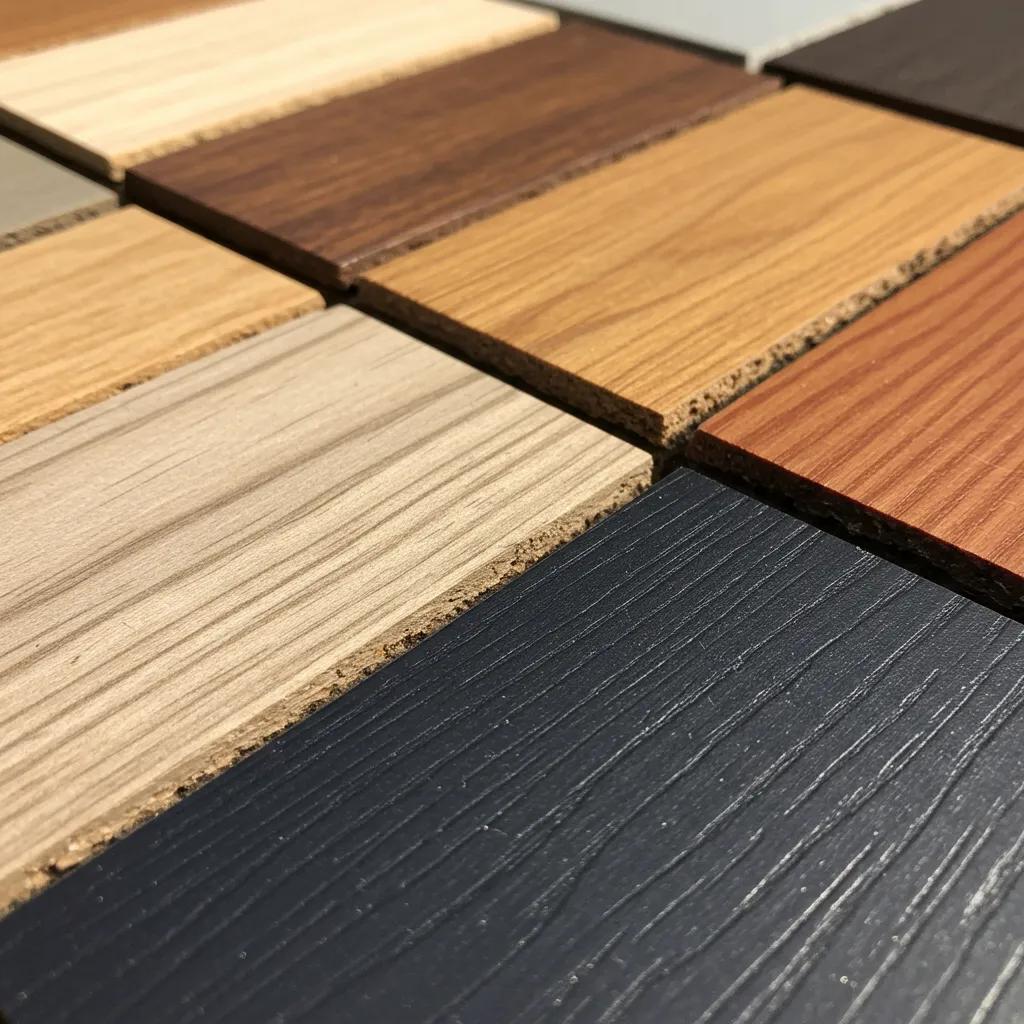
Selecting the ideal shed material influences longevity, upkeep needs, and overall cost of ownership. Material choice determines resistance to moisture, UV exposure, pests, and physical impact. For instance, wood offers customization but demands regular treatment, while resin features low maintenance and weather resistance. This comparison informs your next decision on roof, door, and window styles.
An at-a-glance comparison highlights material performance:
Over years of service, material impacts both wallet and upkeep:
These lifetime considerations set the stage for evaluating visual appeal and weather protection.
Material selection shapes your shed’s look and ability to withstand elements:
Appraising these factors ensures your shed remains both attractive and weatherproof as you explore , door, and window styles.
Roof, doors, and windows define a shed’s usability, security, and aesthetic appeal. A well-designed roof channels water and maximizes interior headroom. Secure doors prevent unauthorized access, while thoughtfully placed windows deliver light and airflow. Choosing the right combination completes your investment strategy and links directly to ventilation and climate control solutions.
Roof style influences runoff performance and interior volume:
Considering drainage and headroom helps you anticipate weather challenges before assessing door and window configurations.
Door type determines ease of entry and protection level:
Balancing these options prepares you for selecting windows that optimize light and safety.
Strategic window choices enhance functionality and security:
With feature selection complete, you can address moisture control and temperature management next.
Ensuring adequate ventilation and insulation protects stored items from mold, rust, and heat damage while supporting comfortable workshop or office use. Airflow systems expel moist air, and insulation maintains stable interior temperatures year-round. Effective climate management prevents structural decay and sets up security and warranty considerations.
Ventilation options maintain airflow and prevent condensation:
Integrating these systems supports insulation strategies that follow.
Proper ventilation is key to preventing moisture-related issues that can damage stored items and affect the building’s integrity. is key to preventing moisture-related issues that can damage stored items and affect the building’s integrity.
Moisture Control and Ventilation for Buildings
In the climate-controlled buildings of today, moisture problems affect not only the useable life of the building but also the health and comfort of the occupants. Moisture control and ventilation are critical to prevent these issues.
Moisture control and ventilation, J Kurnitski, 2009
Insulation methods regulate temperature and moisture:
Properly combining ventilation and insulation ensures your shed remains functional and durable as you explore security and warranty factors.
Implementing robust security measures and understanding warranty coverage safeguards your investment and provides peace of mind. Quality locks, reinforced entry points, and illuminated perimeters deter intruders, while clear warranty terms protect against material or workmanship defects. These practices dovetail with foundation stability considerations.
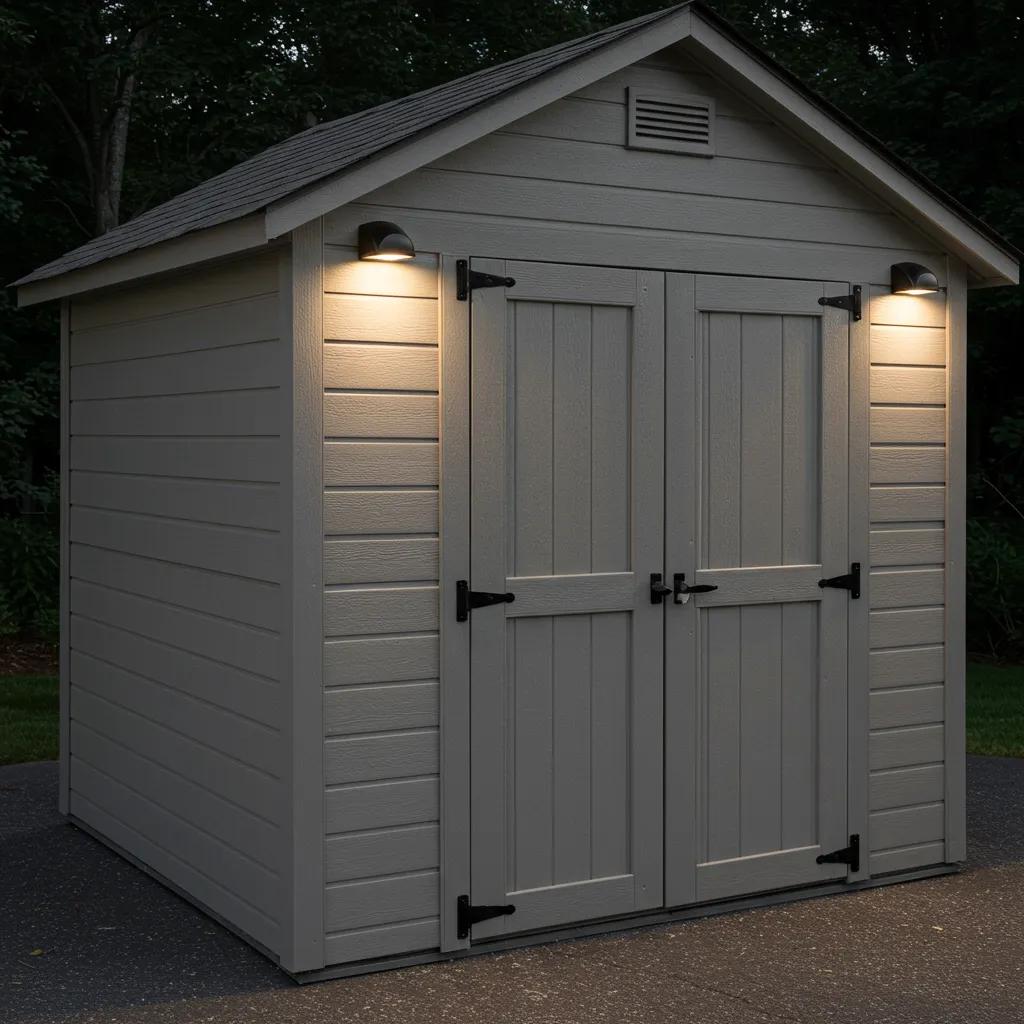
High-impact security components reduce theft risk and damage:
Solid security complements warranty comprehension described below.
Research indicates that certain security devices are more effective than others, and combinations of these devices can significantly enhance protection.
Effectiveness of Burglary Security Devices and Combinations
It finds that, for individual devices, external lights and door double locks or deadlocks, are most effective but, counter-intuitively, burglar alarms and dummy alarms confer less protection than no security. Combinations of devices generate positive interaction effects that increase protection more than additively.
The effectiveness of burglary security devices, A Tseloni, 2017
A clear warranty outlines protection and owner responsibilities:
Knowing these details primes you for routine upkeep that enhances lifespan.
Consistent care preserves structural integrity and appearance:
Maintained security and warranty compliance lead naturally into selecting the right foundation for stability.
A level, properly drained foundation prevents shifting, rot, and structural stress. Foundation type must support the shed’s footprint, weight, and local soil conditions. Concrete offers permanence, gravel ensures drainage, and wood provides cost-effective leveling. These trade-offs shape long-term performance and shed longevity.
Comparing foundation types clarifies suitability:
With these factors in mind, you can choose based on shed size and soil.
The choice between on-grade and poured concrete foundations is a critical decision influenced by shed size, soil conditions, and budget.
Choosing the Right Shed Foundation: On-Grade vs. Poured Concrete
Shed foundations fall into two basic categories: on-grade foundations, which are typically made of concrete blocks or treated lumber, and poured concrete foundations, which are more permanent and durable. The best choice for your shed depends on factors such as the size and weight of the shed, the soil conditions at your site, and your budget.
Building a Shed, Unknown Author, 2009
Select a foundation by evaluating site conditions and shed load requirements:
A solid foundation supports emerging trends in shed design and multi-use applications.
Modern sheds merge style, functionality, and sustainability to meet evolving homeowner needs. Designs now accommodate remote work, eco-friendly materials, and smart security systems. Understanding these innovations helps you future-proof your backyard investment.
Sheds today serve as versatile spaces that extend living areas:
These multi-purpose uses drive demand for greener building practices.
Green shed design reduces environmental impact and energy costs:
Sustainability pairs with tech-driven security enhancements described next.
Connected devices bring new levels of monitoring and control:
By combining sustainable materials with smart features, you create a shed that meets today’s demands while preparing for tomorrow’s needs.
Choosing each element—purpose, material, features, ventilation, security, foundation, and design innovations—ensures you select the ideal storage shed near you and maximize long-term value. Start exploring local inventory of storage sheds for sale near me and apply these five essential tips to find a durable, secure, and perfectly sized solution for your backyard.
Choosing the right location for your storage shed is crucial for accessibility and functionality. Consider factors such as proximity to your home for easy access, sunlight exposure to prevent moisture buildup, and the slope of the land for drainage. Additionally, ensure the site complies with local zoning regulations and is free from overhanging branches or other potential hazards. A well-chosen location enhances the shed’s usability and longevity, making it a valuable addition to your property.
To improve the security of your storage shed, consider installing heavy-duty locks, reinforced door frames, and tamper-proof hinges. Adding motion-activated lights around the perimeter can deter intruders, while security cameras or alarm systems provide additional monitoring. Additionally, securing the shed to the ground with anchors can prevent theft or damage during severe weather. Regularly inspecting and maintaining these security features will help ensure your shed remains a safe space for your belongings.
Regular maintenance is essential to extend the lifespan of your storage shed. Key tasks include cleaning debris from the roof and gutters to prevent water pooling, treating or repainting wooden surfaces every few years to protect against moisture, and lubricating metal hinges to avoid rust. Additionally, inspect seals around windows and doors for drafts or leaks, and check for pest infestations. By staying proactive with maintenance, you can keep your shed in optimal condition for years to come.
Improving insulation in your storage shed can help regulate temperature and protect stored items. Consider using rigid foam panels on walls and ceilings to block thermal transfer, or fiberglass batts for cost-effective heat retention. Reflective foil insulation can reduce radiant heat in warmer climates, while spray foam can seal gaps and provide both insulation and air sealing. Proper insulation, combined with effective ventilation, ensures a comfortable environment and protects your belongings from extreme temperatures.
Using eco-friendly materials for your storage shed offers several benefits, including reduced environmental impact and improved energy efficiency. Sustainable materials, such as reclaimed wood or recycled plastic lumber, minimize resource depletion and waste. Additionally, eco-friendly practices, like passive solar design and rainwater collection systems, can enhance the shed’s functionality while lowering energy costs. By choosing green materials, you contribute to a healthier planet and create a more sustainable outdoor space.
To ensure your storage shed complies with local building codes, start by researching zoning regulations and permit requirements in your area. Check for restrictions on shed size, height, and placement relative to property lines. It may be necessary to apply for a building permit, especially for larger structures. Consulting with local authorities or a professional contractor can provide clarity on compliance, helping you avoid fines or the need for costly modifications later on.